
The Queen Hatshepsut
Queen Hatshepsut was one of ancient Egypt’s most extraordinary rulers, renowned for her intelligence, ambition, and ability to lead during a time when kingship was traditionally reserved for men. Rising to power during the 18th Dynasty, she assumed the full role of pharaoh, adopting royal titles and iconography to legitimize her reign and present herself as a divinely chosen ruler.
Her rule marked a period of peace, stability, and economic prosperity, allowing Egypt to flourish through trade rather than warfare. One of the most significant achievements of her reign was the legendary expedition to the Land of Punt, an ambitious trading mission that brought back exotic goods such as gold, ebony, incense, and rare plants, strengthening Egypt’s wealth and international influence.
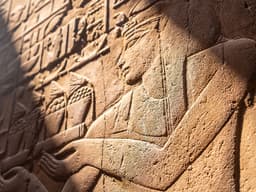
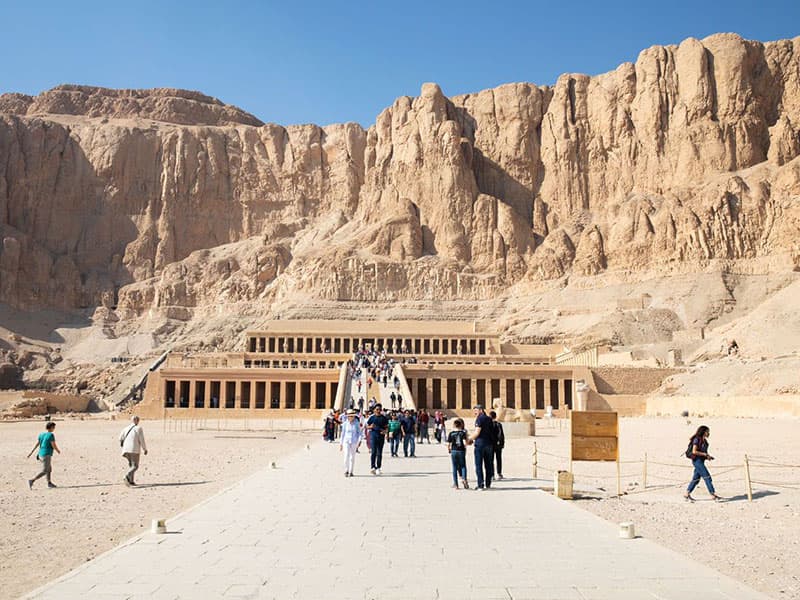
The most enduring symbol of her legacy is the magnificent mortuary temple at Deir el-Bahari on the west bank of Luxor. Carved into the dramatic limestone cliffs, the temple’s elegant terraces, colonnades, and detailed reliefs narrate the story of her divine birth, royal accomplishments, and far-reaching trade networks, making it one of the finest architectural masterpieces of ancient Egypt.
Although later rulers attempted to erase her name and image from history, Queen Hatshepsut’s achievements survived through monumental architecture and surviving inscriptions. Today, her legacy stands as a powerful testament to leadership, vision, and resilience, offering visitors a deeper connection to one of the most influential and inspiring figures in ancient Egyptian civilization.