
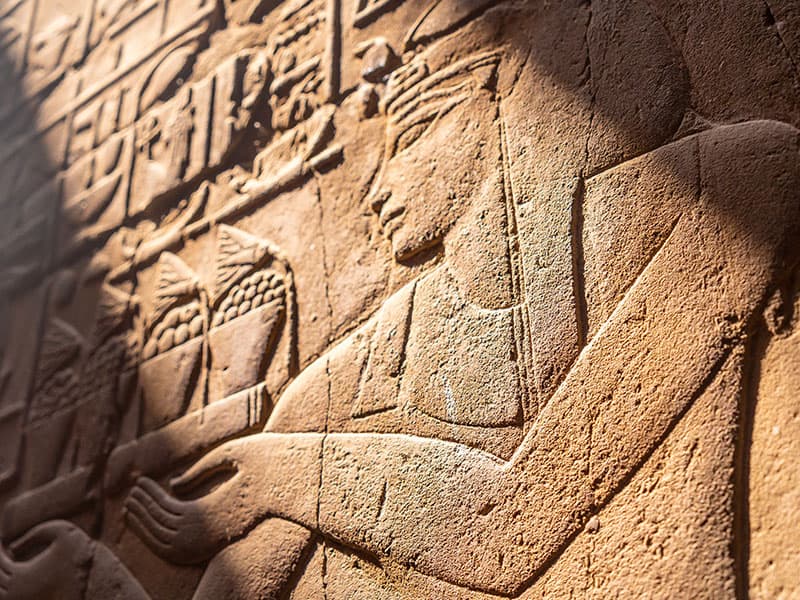
Luxor Temple
Luxor Temple stands gracefully on the east bank of the Nile in the heart of modern Luxor, distinguished from other temples by its ceremonial purpose rather than funerary function. Dedicated primarily to Amun-Ra, along with Mut and Khonsu, the temple played a central role in the Opet Festival, a sacred celebration of rebirth, divine order, and royal legitimacy.
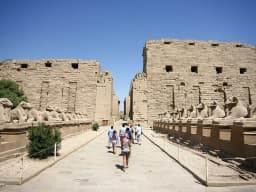
Constructed mainly during the reigns of Amenhotep III and Ramses II, Luxor Temple reflects refined architectural harmony and symbolic design. Its elegant colonnade, monumental statues, and towering obelisk create a powerful yet balanced composition, guiding visitors through a sacred processional path once filled with music, incense, and ritual offerings.
Unlike many ancient monuments, Luxor Temple has remained a living place of worship across centuries. Layers of history are visible throughout the site, including Roman chapels and an active mosque built within the temple walls, illustrating the continuous spiritual significance of the location through different eras.
Visiting Luxor Temple, especially at sunset or illuminated at night, offers a magical experience where ancient stone glows with golden light. The temple’s atmosphere evokes ceremony, continuity, and reverence, allowing travelers to witness the enduring legacy of ancient Egypt within the rhythm of modern life along the Nile.